Global Study Reveals Teens, Especially Girls, Falling Short on Daily Exercise Recommendations
A new study indicates that teenagers worldwide, particularly girls, are not getting sufficient daily exercise according to health recommendations.

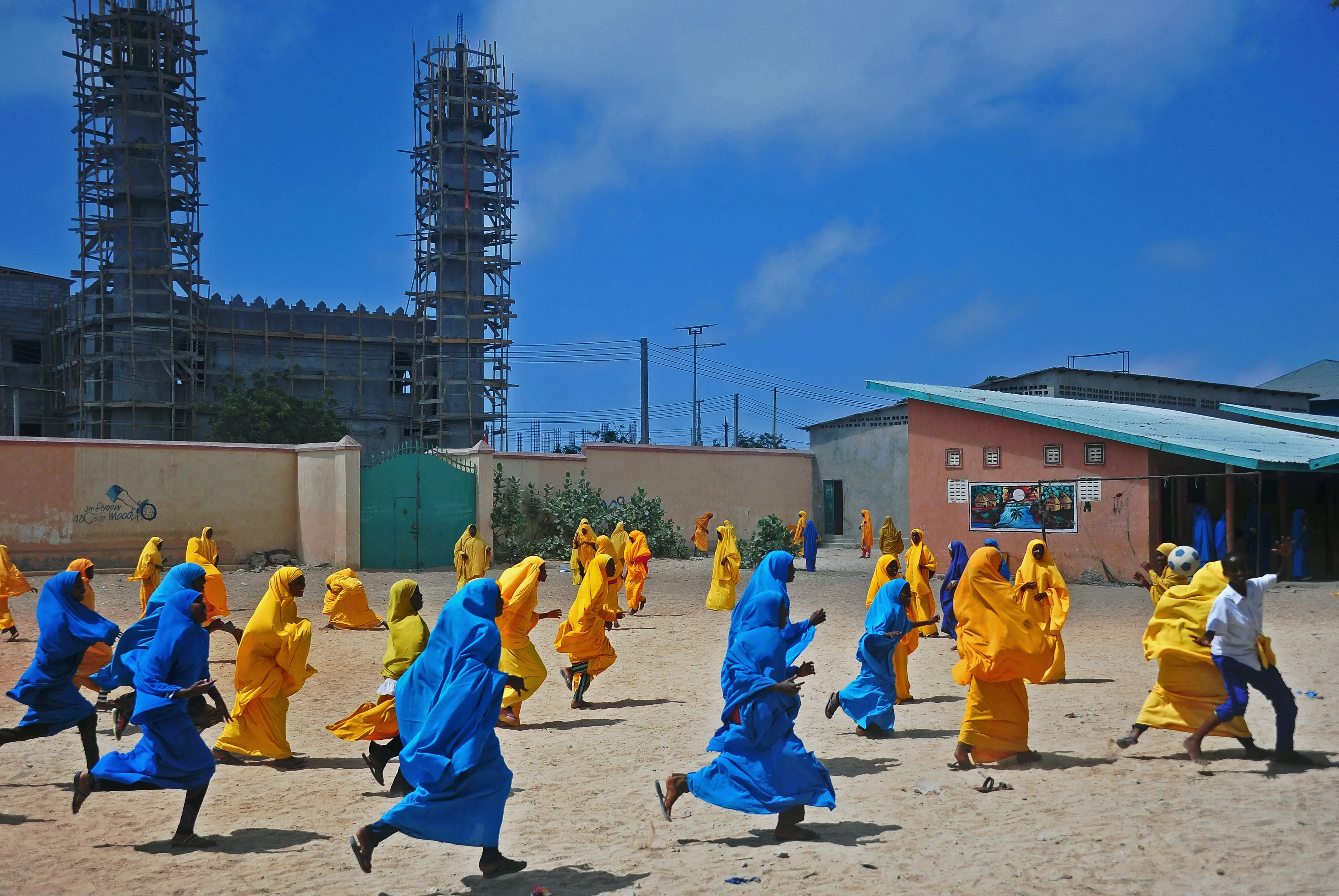
 Sioux Falls, SD, November 5, 2026 — A recent study has highlighted a concerning trend regarding physical activity levels among adolescents globally, with findings suggesting that teenagers, and notably teenage girls, are not meeting established daily exercise benchmarks. The study’s results point to a widespread issue that could have significant implications for public health.
The research indicates that a substantial portion of the teenage population is falling short of the recommended daily exercise amounts. While the specific health recommendations and the exact metrics used for measuring ‘sufficient daily exercise’ were not detailed in the summary of the findings, the overarching conclusion is that current activity levels are inadequate across the board.
A particular focus of the study appears to be on girls, who, according to the findings, are experiencing even greater challenges in meeting these exercise guidelines. The reasons behind this disparity or the specific percentages of teenagers who are not meeting recommendations were not provided in the available information.
The study’s scope is described as worldwide, implying that this trend is not confined to a single region or socioeconomic group but is a global phenomenon affecting adolescents across various cultures and environments. However, specific geographic breakdowns or detailed demographic data beyond the general mention of ‘girls’ were not available.
The implications of insufficient daily exercise for teenagers include potential long-term health consequences, such as increased risks for obesity, cardiovascular issues, and mental health challenges. The study, however, did not elaborate on these specific risks or potential impacts.
Further details regarding the methodology of the study, the institutions or researchers involved, the precise age range defined as ‘teenagers,’ and the specific quantitative data supporting these conclusions were not publicly disclosed in the initial summary of the findings. The study did not provide information on potential causes for the low exercise rates or outline any proposed solutions or interventions.
Story summarized from the original created by Jonathan Lambert on www.npr.org, see more information here.
Media gallery